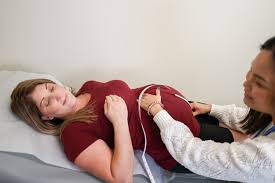
Getting funding for a pregnancy care center can feel like a puzzle. You want to help so many people, but finding the money can be tough. Many people starting out find that understanding how to get pregnancy care center grants pass is a big question.
It might seem complicated, but it doesn’t have to be. We’ll walk through it step-by-step to make it clear and easy to follow. Let’s get started on making your center’s mission a reality through successful grant applications.
Key Takeaways
- You will learn what makes getting grants challenging for new centers.
- This post explains the essential steps for a successful grant application.
- Discover tips to highlight your center’s impact and needs effectively.
- Understand how to find the right grant opportunities for your center.
- Learn to present your information clearly and persuasively to funders.
- Gain confidence in the process of securing vital funding.
Understanding Pregnancy Care Center Grants
What Are Pregnancy Care Center Grants
Pregnancy care centers offer vital support to women and families facing unplanned pregnancies. These services can include free pregnancy tests, ultrasounds, counseling, parenting classes, and material assistance like diapers and baby clothes. To provide these services, centers rely heavily on donations and, importantly, grant funding.
A grant is essentially a sum of money given by an organization, government, or foundation to support a specific project or operation, like the services offered by a pregnancy care center.
Securing these grants is crucial for the sustainability and expansion of their work. Grants allow centers to reach more individuals, offer advanced services, and maintain their facilities and staff. Without them, many essential programs would be limited or unavailable.
The process of obtaining these grants, often referred to as getting a pregnancy care center grants pass, involves carefully identifying opportunities and presenting a compelling case for support.
The Role of Grants in Center Operations
Grants act as a lifeline for many non-profit organizations, especially those focused on community services. For pregnancy care centers, grants can fund a wide range of operational needs. This can include purchasing new medical equipment like ultrasound machines, expanding counseling services, developing educational materials, or covering general operating costs that keep the center running day-to-day.
Without grants, centers would be solely dependent on individual donations, which can fluctuate and may not always be sufficient for long-term planning or significant program development.
The ability to consistently secure grants means a center can plan for the future with more certainty. It allows for investment in staff training, outreach programs to connect with more women in need, and the implementation of new, evidence-based support strategies. This consistent funding stream is what enables centers to not just survive, but to thrive and maximize their positive impact on the community.
Types of Grant Funding Available
There are several types of grants that pregnancy care centers can pursue. These include federal grants, often administered through government agencies like the Department of Health and Human Services, which focus on specific public health initiatives. Then there are state and local government grants, which might support programs tailored to the needs of a particular region.
Many private foundations also offer grants, ranging from large national foundations with broad philanthropic goals to smaller, local foundations focused on specific causes or geographic areas.
Corporate sponsorships and grants from businesses are another avenue, often tied to corporate social responsibility programs. Finally, there are donor-advised funds and community foundations that pool charitable giving and distribute it to worthy causes. Each type of grant comes with its own set of requirements, application processes, and funding priorities, making it important for centers to research thoroughly.
Navigating the Grant Application Process
Identifying Potential Grant Sources
Finding the right grant opportunities is the first critical step. This involves a lot of research and networking. You can start by looking at government websites like Grants.gov for federal opportunities.
State and local government agencies often have their own grant portals. Private foundations are key players; many have websites detailing their mission, funding areas, and application guidelines. Look for foundations that have funded similar organizations or support causes related to women’s health, family services, or community support.
Professional associations and non-profit resource centers can also provide lists of potential funders. Attending grant-writing workshops or webinars can offer insights into where to look. Sometimes, simply talking to other non-profit leaders in your area can reveal funding sources you might not have found otherwise.
Building relationships with foundations and understanding their interests is also a smart strategy.
Understanding Grant Requirements
Each grant application has specific requirements that must be met. These can include the type of organization eligible, the geographic area served, the specific programs or activities that can be funded, and the amount of funding available. You’ll often need to provide proof of your non-profit status, such as your 501(c)(3) determination letter.
Funders will want to see detailed information about your center’s mission, services, and the community you serve.
Budgetary information is always required, often including a detailed project budget and your organization’s overall operating budget. You may also need to provide evidence of your organization’s financial health, such as audited financial statements or Form 990s. Sometimes, letters of support from community partners or evidence of community need, like statistics, are necessary.
Reading the grant guidelines very carefully and making sure your center is a good fit before applying is essential.
Crafting a Compelling Grant Proposal
A successful grant proposal tells a clear, persuasive story. It needs to demonstrate a real need in the community and show how your center is uniquely positioned to meet that need. Start with a strong executive summary that briefly outlines the request and its impact.
The needs statement should detail the problem your center addresses, supported by data and examples. Your project description will explain exactly what you plan to do with the grant funds, outlining your goals and objectives.
The proposal must also explain your organization’s capacity to carry out the project, including your staff’s expertise and your track record. A well-detailed budget showing how the funds will be used is crucial. Finally, most grants require a section on evaluation, explaining how you will measure the success of your project.
Clarity, conciseness, and accuracy are key. Proofread everything multiple times.
Key Elements of a Strong Proposal
- Clear Statement of Need: This section should clearly articulate the problem or unmet need in the community that your center addresses. It’s vital to back this up with credible statistics and anecdotal evidence to demonstrate the severity and scope of the issue. For example, a center might highlight local statistics on unplanned pregnancies or the number of women seeking support services.
- Well-Defined Project Goals and Objectives: Your proposal needs to specify what you aim to achieve with the grant funding. Goals are broad aspirations, while objectives are specific, measurable, achievable, relevant, and time-bound (SMART) steps to reach those goals. For instance, a goal might be to increase client services, with SMART objectives like “increase the number of clients receiving counseling by 15% within 12 months.”
- Organizational Capacity and Track Record: Funders want to know that your center has the experience, staff, and infrastructure to successfully implement the proposed project. This involves showcasing your organization’s mission, history, past achievements, and the qualifications of key personnel. Highlight any previous successful grant-funded projects.
- Realistic and Detailed Budget: The budget must clearly outline how the grant funds will be spent. This includes line items for personnel, program expenses, equipment, and administrative costs. It should be justified by the project activities and align with your organization’s overall financial health.
- Evaluation Plan: Explain how you will measure the success of your project. This involves identifying key performance indicators (KPIs) and the methods you will use to collect and analyze data. For a pregnancy care center, this might involve tracking client satisfaction, service utilization rates, or specific program outcomes.
Submitting Your Application
Once your proposal is complete, the submission process requires attention to detail. Many grant applications are now submitted online through specific portals. Make sure you understand the submission deadline and the exact format required for your documents.
Some funders require hard copies, while others prefer electronic submissions.
Double-check that you have included all required attachments, such as financial statements, board lists, and letters of support. It’s often a good idea to submit a few days before the actual deadline to avoid any last-minute technical issues or errors. Keep a copy of everything you submit for your records.
Following instructions precisely is critical for a successful pregnancy care center grants pass.
Demonstrating Impact and Sustainability
Measuring Your Center’s Success
Funders want to see that their investment makes a real difference. This means clearly measuring and reporting on the impact of your services. For a pregnancy care center, impact can be measured in many ways.
This includes the number of women served, the types of services provided, and the positive outcomes for clients. For example, you might track how many women choose to continue their pregnancies, how many gain access to prenatal care, or how many women successfully complete parenting education programs.
Collecting client feedback through surveys and testimonials is also a powerful way to demonstrate impact. Data on client satisfaction, increased knowledge, and improved well-being can provide compelling evidence of your center’s effectiveness. Many centers use client management software to help track these important metrics efficiently.
This data is not just for reporting; it helps your center improve its own services too.
Examples of Impact Measurement
- Client Service Reach: Tracking the total number of unique individuals who received services within a grant period. This demonstrates the breadth of your center’s outreach. For example, a center might report serving 500 women in a year, with 300 receiving counseling and 200 benefiting from material support.
- Program Outcome Tracking: Monitoring specific results for clients who participate in particular programs. This could include tracking clients who attend a series of prenatal education classes and observing changes in their knowledge of infant care or their engagement with healthcare providers.
- Client Empowerment Metrics: Assessing how services have empowered clients. This might involve surveys asking clients about their confidence in making decisions, their access to resources, or their improved financial stability after receiving support and training.
- Partnership Effectiveness: Documenting successful collaborations with other community organizations, such as referrals to adoption agencies, healthcare providers, or social services, and tracking the outcomes of these referrals.
Building Financial Sustainability
While grants are vital, relying solely on them can be risky. Building financial sustainability means diversifying your funding sources. This includes cultivating relationships with individual donors, organizing fundraising events, and seeking sponsorships from local businesses.
Many centers also have a planned giving program to encourage supporters to include the center in their wills.
Developing a strong case for regular, unrestricted donations is important. Unrestricted funds offer the most flexibility, allowing centers to allocate resources where they are most needed. Many donors appreciate understanding the consistent operational costs of a center and are willing to support that.
Transparency in financial reporting also builds trust and encourages ongoing support.
Strategies for Diverse Funding
- Individual Donor Cultivation: Regularly communicating with past donors through newsletters, thank-you notes, and personal outreach. Sharing impact stories and demonstrating how their contributions make a difference is key to retaining their support and encouraging larger gifts.
- Fundraising Events: Organizing annual galas, walk-a-thons, or online giving campaigns can engage the community and raise significant funds. These events also provide opportunities for publicity and donor acquisition.
- Corporate Partnerships: Seeking sponsorships from local businesses for specific programs or events. Many companies have corporate social responsibility initiatives and are willing to support community-focused organizations that align with their values.
- Planned Giving Programs: Encouraging supporters to include the center in their estate planning through bequests, trusts, or other legacy gifts. This provides a long-term, sustainable source of funding.
The Importance of Grant Reporting
Grant reporting is not just a formality; it’s a critical part of maintaining good relationships with funders and securing future funding. Most grants require regular reports, usually quarterly or annually, detailing how the funds were spent and the progress made toward the grant’s objectives. These reports must be accurate, thorough, and submitted on time.
A well-written report demonstrates accountability and transparency. It shows the funder that their money was used wisely and effectively. Be prepared to provide data, testimonials, and financial summaries as requested.
Some funders may also require site visits or meetings to discuss your progress. Diligent reporting builds trust and can lead to repeat funding from satisfied grantmakers.
Common Myths Debunked
Myth 1: Grants are Free Money That Doesn’t Need Repayment
While grant money does not need to be repaid like a loan, it is not “free money” in the sense of being without obligation. Grants come with strict conditions and reporting requirements. Funders provide grants with the expectation that the money will be used for specific purposes outlined in the grant proposal and that the recipient will demonstrate measurable impact.
Failing to meet these conditions can result in penalties, including having to return the funds.
Myth 2: You Need A Professional Grant Writer For Every Application
While professional grant writers can be invaluable, especially for large or complex federal grants, they are not always necessary for every application. Many smaller foundations and local grants can be successfully written by dedicated staff or volunteers within the organization. The key is to have someone who can clearly articulate the center’s mission, needs, and impact, and who is willing to dedicate the time to research and writing.
Many grant-making organizations also offer resources and support for applicants.
Myth 3: Applying For A Grant Is A One-Time Effort
Grant seeking is an ongoing process, not a single event. Securing a pregnancy care center grants pass often requires sustained effort over time. Even successful applicants need to report on their progress, build relationships with funders, and continually look for new funding opportunities as existing grants expire or as the center’s needs evolve.
Many grants are for a specific project duration, meaning you will need to seek additional funding to continue or expand programs.
Myth 4: All Grants Are For New Projects Or Equipment
While many grants fund specific projects or capital expenditures like new equipment, there are also grants available for general operating support. These operational grants are crucial for covering day-to-day expenses, staff salaries, utilities, and other costs that keep the center running. Some foundations specifically prioritize funding for organizational capacity and sustainability, recognizing that strong operations are essential for effective program delivery.
Frequently Asked Questions
Question: How long does it typically take to get a grant decision
Answer: The time it takes to receive a grant decision can vary widely. Some smaller foundations might respond within a few weeks, while larger government grants or major foundation grants can take several months to a year or even longer due to review committees and multiple funding cycles.
Question: Can a new pregnancy care center apply for grants
Answer: Yes, new pregnancy care centers can apply for grants, but it can be more challenging. Many funders prefer to see a track record of operation and demonstrated impact. It is important to thoroughly research grant opportunities that are open to new organizations and to clearly articulate your vision and plans.
Question: What is the difference between a grant and a donation
Answer: A donation is typically an unrestricted gift from an individual or company, given without specific requirements for how it’s used, though donors may express preferences. A grant is funding provided for a specific purpose, project, or period, with strict reporting and accountability requirements from the awarding organization.
Question: Should I apply for every grant I find
Answer: No, it is generally not advisable to apply for every grant you find. It is more effective to carefully research each grant opportunity to ensure your center and proposed project align with the funder’s priorities and eligibility criteria. A well-researched, targeted application is much more likely to succeed than a broad, unfocused one.
Question: How can I improve my chances of getting a grant
Answer: To improve your chances, focus on clear communication, demonstrating a genuine need and your center’s capacity to meet it, building strong relationships with potential funders, meticulously following all application instructions, and submitting well-organized, persuasive proposals with compelling data and evidence of impact.
Final Thoughts
Securing funding for your pregnancy care center is a significant step in expanding your ability to serve others. By understanding the grant process, researching thoroughly, and presenting your center’s mission and impact clearly, you can successfully navigate the application landscape. Focus on building strong relationships and demonstrating measurable results, and you will be well on your way to achieving a pregnancy care center grants pass.