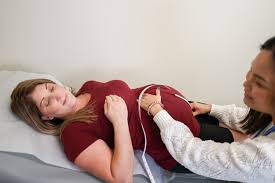
Becoming a mom is exciting, but it can also feel a bit overwhelming when you’re just starting out. There’s so much information out there, and sometimes it’s hard to know what’s most important. You might be wondering what’s best for you and your growing baby.
Don’t worry, we’ve got you covered! This guide breaks down easy and helpful pregnancy care tips, making it simple to follow. Let’s look at what you need to know next.
Key Takeaways
- Learn about balanced nutrition for a healthy pregnancy.
- Understand the importance of regular, safe exercise.
- Discover ways to manage common pregnancy discomforts.
- Know when to seek professional medical advice.
- Find tips for mental and emotional well-being during pregnancy.
Essential Pregnancy Care Tips For A Healthy Glow
Taking care of yourself during pregnancy is super important for both you and your baby. It’s a time of big changes, and knowing how to support your body makes all the difference. Good pregnancy care tips focus on what truly matters to keep you feeling your best.
This means focusing on what you eat, how you move, and how you feel inside and out.
Nourishing Your Body The Right Way
Eating well is one of the most impactful pregnancy care tips. Your body is working hard to grow a new life, and it needs good fuel. Think of it like building a house; you need the best materials.
This doesn’t mean eating for two, but rather eating smart for two. You need more nutrients, not necessarily more food overall.
Key Nutrients For Expecting Mothers
- Folic Acid This is vital for preventing birth defects in the baby’s brain and spine. It’s usually recommended before you even get pregnant. Aim for at least 400 micrograms (mcg) daily. Foods like leafy greens, beans, and fortified cereals are good sources.
- Iron Your blood volume increases a lot during pregnancy, and iron helps your body make more red blood cells. This keeps oxygen flowing to you and your baby. Lean meats, poultry, fish, and plant-based options like spinach and lentils are excellent for iron.
- Calcium This helps build your baby’s strong bones and teeth. It also supports your own bone health. Dairy products like milk, cheese, and yogurt are packed with calcium. If you’re not a fan of dairy, try fortified plant milks, tofu, or leafy greens like kale.
- Protein Protein is the building block for your baby’s tissues and organs. It also helps your own body grow and change. Good sources include lean meats, fish, eggs, beans, nuts, and dairy.
Many women find it hard to get enough of these nutrients through food alone. Your doctor might suggest a prenatal vitamin to fill in any gaps. This is a simple step that makes a big difference in your overall pregnancy health.
A Balanced Diet Example
Here’s a simple idea of what a balanced day of eating might look like. Remember to drink plenty of water throughout the day, as staying hydrated is also a key part of good pregnancy care tips.
- Breakfast: A bowl of oatmeal with berries and a handful of almonds. Add a glass of milk or fortified plant milk.
- Lunch: A large salad with grilled chicken or chickpeas, lots of colorful vegetables, and a light vinaigrette. A side of whole-grain bread.
- Dinner: Baked salmon with steamed broccoli and a small sweet potato.
- Snacks: A piece of fruit like an apple or banana, a small container of yogurt, or a handful of mixed nuts.
Understanding Food Safety
It’s also important to be mindful of food safety during pregnancy. Some foods can carry germs that can harm you and your baby. Always wash fruits and vegetables thoroughly.
Cook meats, poultry, and eggs until they are well done. Avoid raw or undercooked seafood and deli meats unless they are heated until steaming hot.
Staying Active And Moving Safely
Exercise is a wonderful part of pregnancy care tips. Being active can help you feel more energetic, improve your sleep, and prepare your body for labor. It can also help manage common pregnancy aches and pains.
The key is to choose activities that are safe for you and your baby.
Benefits Of Regular Movement
When you exercise regularly during pregnancy, you can:
- Reduce backaches and constipation, common pregnancy complaints.
- Boost your mood and energy levels, helping with fatigue.
- Improve your sleep quality, which is precious when you’re pregnant.
- Help prevent excessive weight gain.
- Prepare your muscles for the physical demands of labor and motherhood.
A study published in the journal “Obstetrics & Gynecology” found that women who exercised regularly during pregnancy had a lower risk of developing gestational diabetes and preeclampsia. These are serious conditions that can affect pregnancy outcomes.
Safe Exercise Choices
Many activities are great for pregnant women. These often include:
- Walking It’s low-impact, easy to do, and can be done almost anywhere. Start with short walks and gradually increase the time and distance.
- Swimming The water supports your body, reducing stress on your joints. It’s a fantastic way to get a full-body workout without feeling heavy.
- Prenatal Yoga This type of yoga is specifically designed for pregnant women. It focuses on stretching, strengthening, and relaxation, which are all beneficial.
- Stationary Cycling This is a good option as it’s low-impact and you can control the intensity. Ensure the bike is stable and that you don’t over-exert yourself.
Always listen to your body. If something feels painful or uncomfortable, stop. It’s best to check with your doctor before starting any new exercise program, especially if you have any pre-existing health conditions.
When To Stop Exercising
While exercise is great, there are signs that mean you should stop immediately and rest. These can include vaginal bleeding, dizziness, shortness of breath before starting exercise, chest pain, or feeling faint. If you experience any of these, seek medical attention right away.
These are important considerations within general pregnancy care tips.
Managing Common Pregnancy Discomforts
Pregnancy comes with its share of not-so-fun symptoms. Many are normal, but they can make you uncomfortable. Fortunately, many of these can be managed with simple strategies.
These are practical pregnancy care tips that can bring much-needed relief.
Dealing With Nausea
Morning sickness, which can happen any time of day, is very common. Eating small, frequent meals can help keep your stomach from feeling empty. Bland foods like crackers, toast, and rice are often easier to keep down.
Ginger in teas or candies can also be soothing. Staying hydrated is also key; sip water or clear broths.
Easing Back Pain
As your belly grows, your center of gravity shifts, leading to back pain. Good posture is a key pregnancy care tip. Try to stand up straight with your shoulders back.
Wearing supportive shoes and avoiding heavy lifting can also help. A pregnancy support belt might offer relief for some.
Preventing Constipation
Hormonal changes and pressure from your growing uterus can slow down digestion. Increasing your intake of fiber-rich foods like fruits, vegetables, and whole grains is essential. Drinking plenty of water also helps keep things moving.
Gentle exercise, like walking, can stimulate your bowels.
Handling Swelling
Swelling, especially in your feet and ankles, is common. It’s helpful to elevate your legs whenever possible. Avoid standing for long periods.
Wearing comfortable, loose-fitting clothing and supportive shoes can also make a difference. If swelling is sudden or severe, especially in your face or hands, contact your doctor.
Getting Enough Rest
Fatigue is a big part of pregnancy, especially in the first and third trimesters. Listen to your body and rest when you can. Short naps during the day can be very helpful.
Create a relaxing bedtime routine to promote better sleep at night.
Seeking Professional Medical Advice
One of the most critical pregnancy care tips is knowing when and how to get help from healthcare professionals. Regular check-ups are designed to monitor your health and your baby’s development. Don’t hesitate to ask questions or voice concerns.
The Importance Of Prenatal Visits
Prenatal visits are scheduled appointments with your doctor or midwife. These visits allow your healthcare provider to:
- Track your weight and blood pressure.
- Monitor your baby’s growth and heartbeat.
- Screen for potential complications like gestational diabetes or preeclampsia.
- Provide guidance on nutrition, exercise, and other pregnancy topics.
- Answer all your questions, no matter how small they seem.
Missing these appointments can mean missing out on vital information and early detection of issues. For instance, detecting high blood pressure early can prevent serious complications.
When To Call Your Doctor Immediately
Certain symptoms warrant an immediate call to your doctor or midwife. These include:
- Severe abdominal pain.
- Vaginal bleeding or spotting.
- A sudden decrease in your baby’s movements.
- Signs of infection, like fever or chills.
- Sudden severe headaches or vision changes.
These signs could indicate a problem that needs prompt medical attention. Prompt care is a cornerstone of safe pregnancy care tips.
Understanding Common Tests
During your prenatal visits, you’ll likely undergo various tests. These might include blood tests to check for anemia or infections like Group B Strep. Urine tests help monitor for urinary tract infections or protein in your urine, which can signal preeclampsia.
Ultrasounds are used to check your baby’s growth and development.
A recent survey indicated that over 70% of pregnant women feel more confident about their pregnancy when they have regular communication with their healthcare provider. This highlights the value of open dialogue.
Nurturing Your Mental And Emotional Well-Being
Pregnancy is not just about your physical health; your mental and emotional state is just as important. These pregnancy care tips focus on keeping you feeling good inside.
Managing Stress And Anxiety
It’s normal to feel some stress or worry during pregnancy. However, prolonged or intense stress can affect you and your baby. Finding healthy ways to cope is key.
This could involve gentle exercise, meditation, deep breathing exercises, or talking to a trusted friend or family member.
The Role Of Support Systems
Lean on your support network. This includes your partner, family, and friends. Sharing your feelings and experiences can be incredibly helpful.
Consider joining a prenatal support group where you can connect with other expectant mothers. Sometimes just knowing you’re not alone makes a big difference.
Recognizing Signs Of Depression
While mood swings are common, persistent sadness, loss of interest in activities, or feelings of hopelessness could be signs of prenatal depression. It’s important to seek professional help if you experience these symptoms. Talking to your doctor or a mental health professional is a sign of strength, not weakness.
Early intervention can greatly improve your well-being.
Self-Care Practices
Make time for yourself, even if it’s just for a few minutes each day. This could be reading a book, taking a warm bath, listening to music, or enjoying a quiet cup of tea. These small acts of self-care can help you feel refreshed and more prepared to handle the demands of pregnancy.
Common Myths Debunked
Myth 1: You Must Eat For Two
Reality: While your calorie needs increase, it’s usually only by about 300-500 extra calories in the second and third trimesters. The focus should be on nutrient-dense foods, not simply doubling your food intake. Eating too much can lead to excessive weight gain, which can cause complications.
Myth 2: All Exercise Is Unsafe During Pregnancy
Reality: Most regular physical activity is safe and even beneficial during a healthy pregnancy. The key is to modify exercises and avoid high-impact activities or those with a risk of falling. Always consult your doctor before starting or continuing an exercise program.
Myth 3: You Can’t Have Any Caffeine
Reality: Moderate caffeine intake is generally considered safe during pregnancy. However, it’s recommended to limit your intake to less than 200 milligrams per day, which is about one 12-ounce cup of coffee. Always check with your healthcare provider for personalized advice.
Myth 4: You Have To Give Up All Your Favorite Foods
Reality: While some foods should be avoided for safety reasons (like raw sushi or unpasteurized cheese), you don’t have to give up everything you enjoy. Moderation is key. For many foods, simple preparation methods (like cooking meats thoroughly) make them safe.
Frequently Asked Questions
Question: What are the most important nutrients for pregnancy?
Answer: The most important nutrients include folic acid, iron, calcium, protein, and vitamin D. These support your baby’s growth and your own health.
Question: How much weight should I gain during pregnancy?
Answer: The recommended weight gain varies based on your pre-pregnancy weight, but typically ranges from 25 to 35 pounds. Your doctor will help you determine a healthy target for you.
Question: Is it safe to travel during pregnancy?
Answer: For most healthy pregnancies, travel is safe. However, it’s best to discuss your travel plans with your doctor, especially if you have any complications or plan to travel late in your pregnancy.
Question: What should I do if I have heartburn?
Answer: To manage heartburn, try eating smaller meals, avoiding trigger foods like spicy or fatty items, and not lying down immediately after eating. Your doctor might suggest safe antacids.
Question: How can I prepare for labor and delivery?
Answer: Preparing for labor involves staying active, eating well, practicing relaxation techniques, and learning about the birthing process through classes or reading. Discussing your birth plan with your doctor is also important.
Conclusion
Following simple pregnancy care tips helps create a healthier experience. Focus on good nutrition, safe movement, and managing discomforts. Always talk to your doctor about any concerns.
Taking these steps empowers you to enjoy this special time.